Outfits
A hobby project: my wardrobe as a calm digital drawer, and an AI stylist that only dresses me in clothes I actually own.
- Kind
- Hobby project, open source
- Started
- November 2026
- Status
- Invite-only beta
Outfits started with a simple question: could an AI stylist be useful if it were only allowed to use what's already in my closet?
Most fashion apps want to sell you the next thing. I wanted the opposite. Photograph what I own once, then ask “dinner tonight, it's cold, what do I wear?” and get an answer made of real pieces, with one honest suggestion for what's actually missing.
It's a hobby project, so I let myself care about the feel as much as the function. The whole design brief fit in four words: calm, round, tactile, honest.
Outfits on my phone
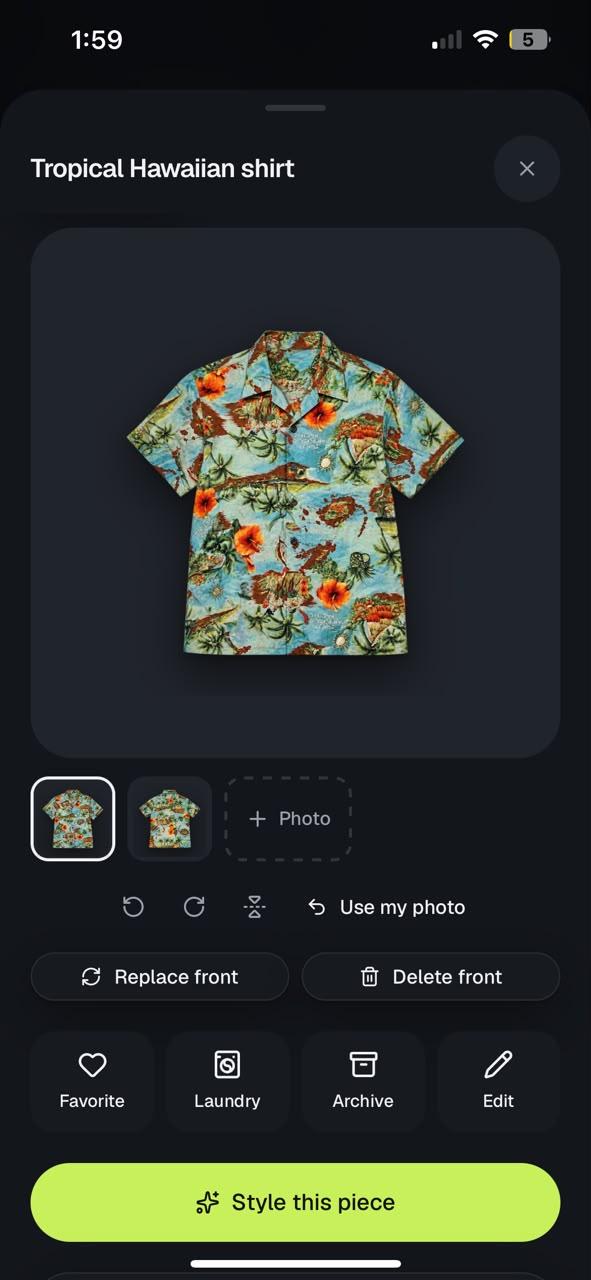
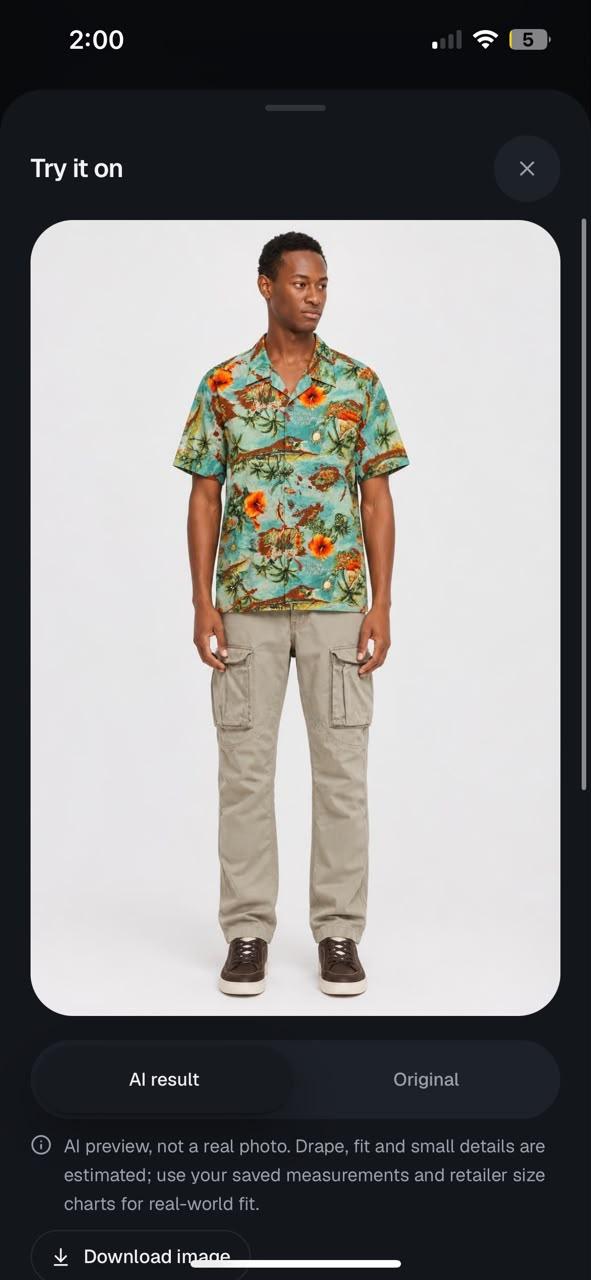
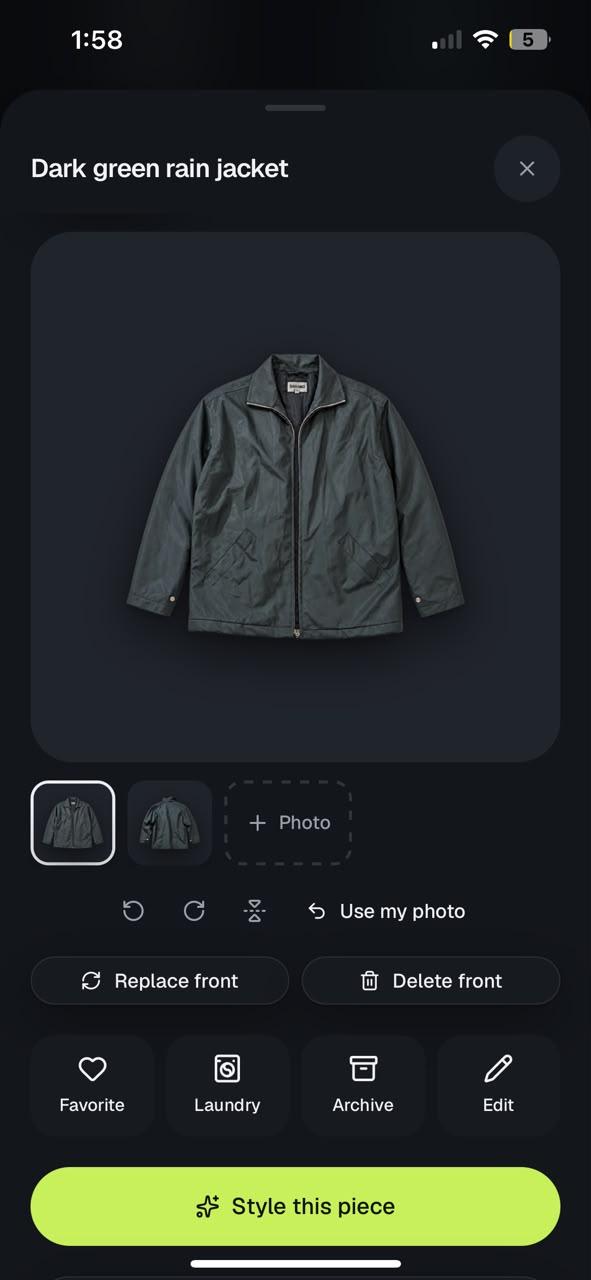
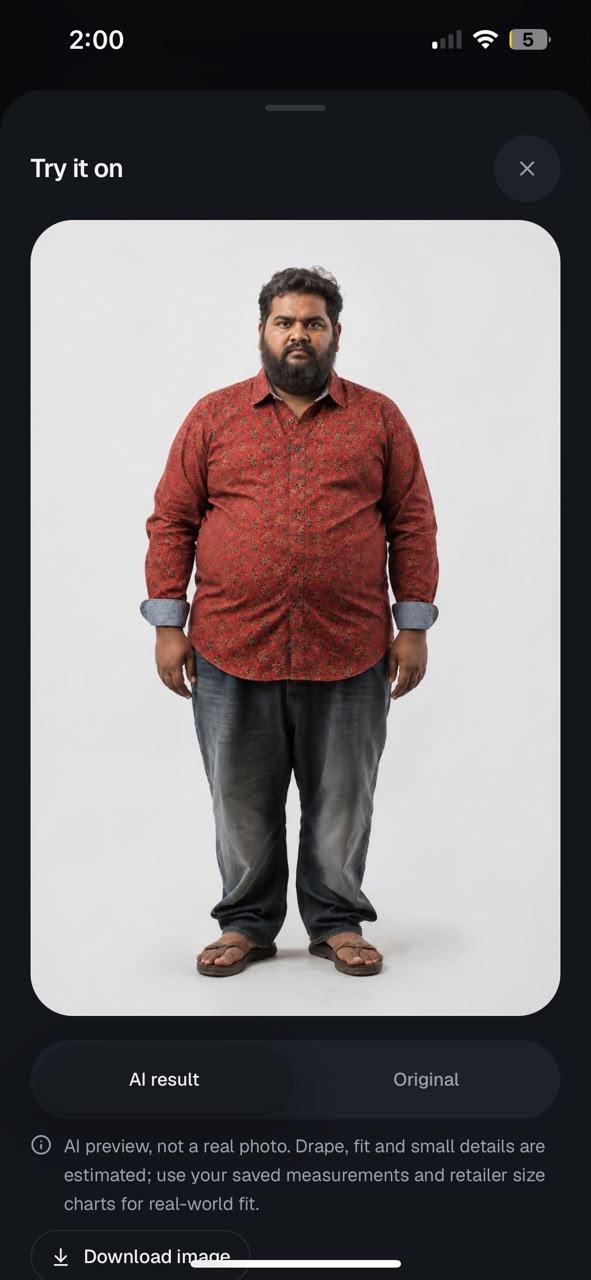
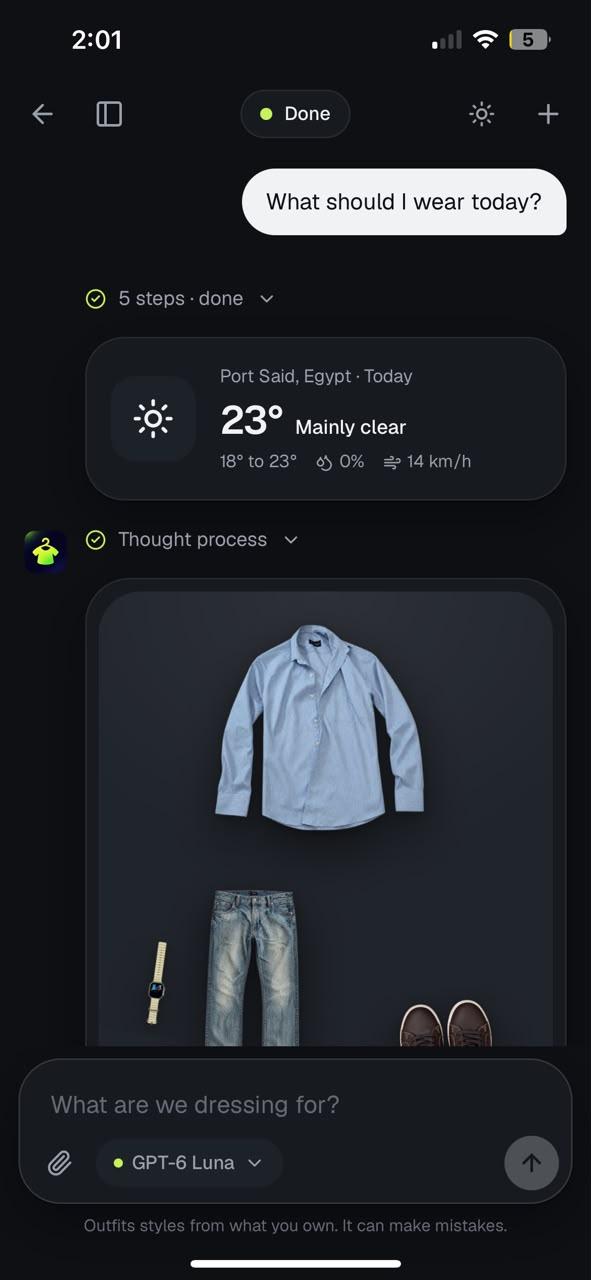
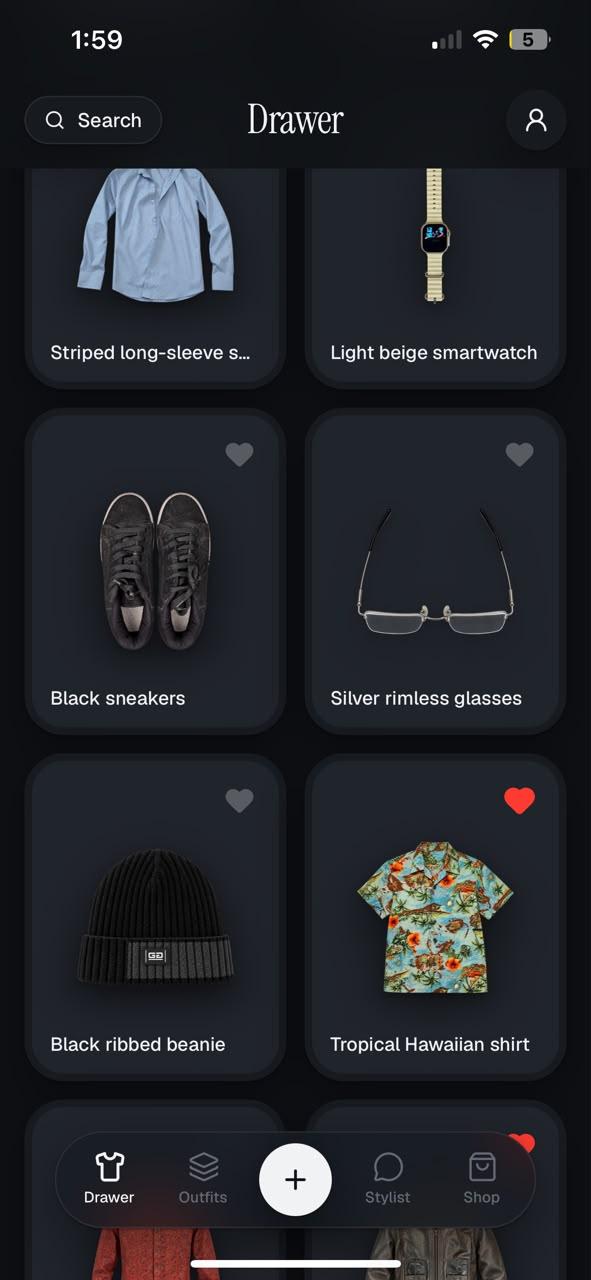
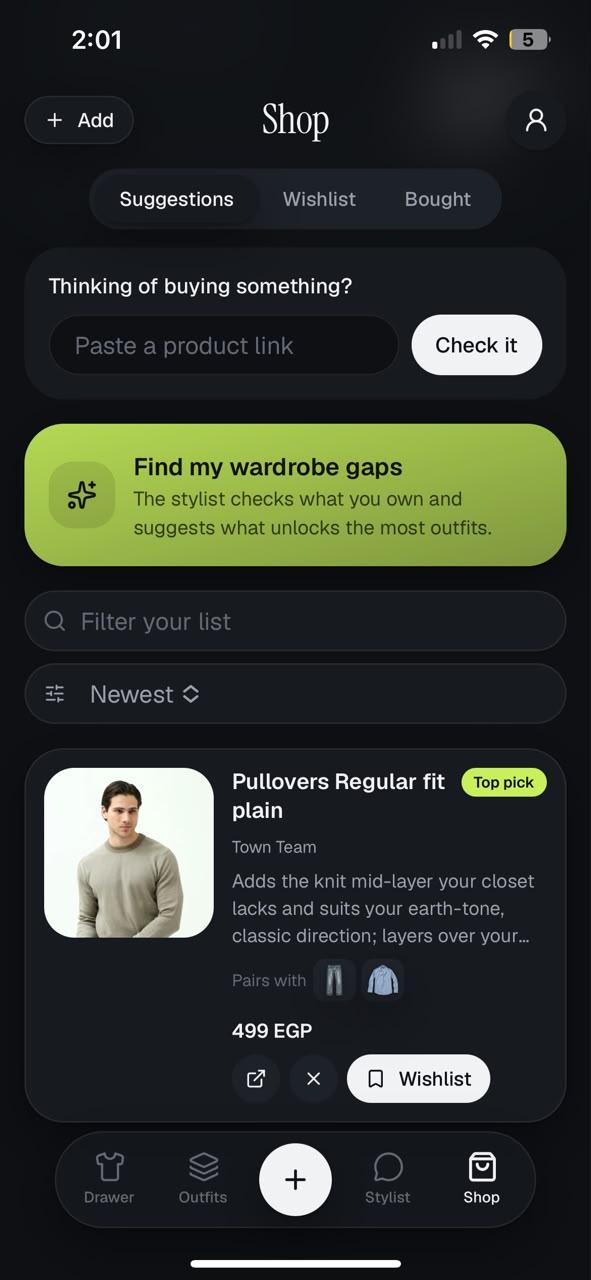
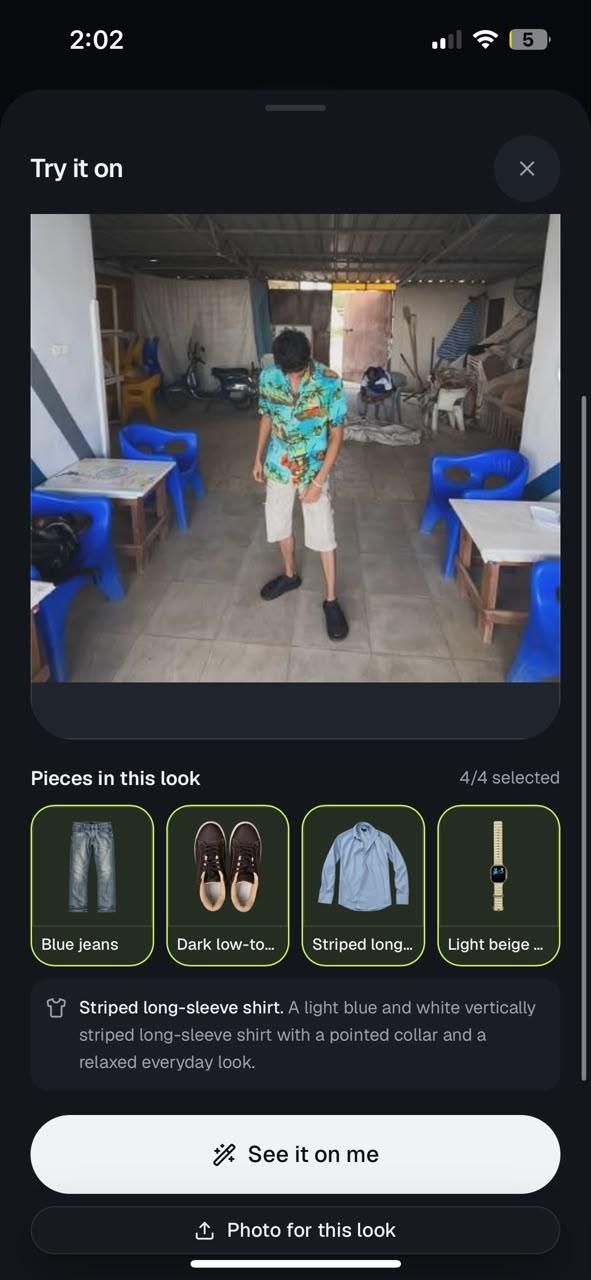
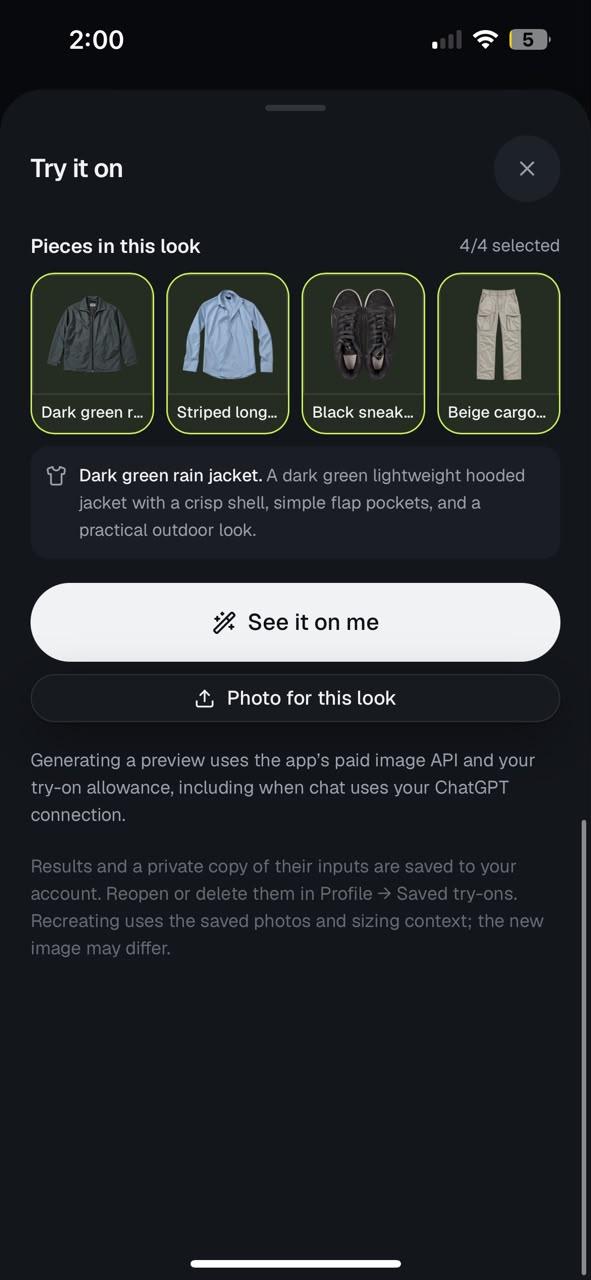
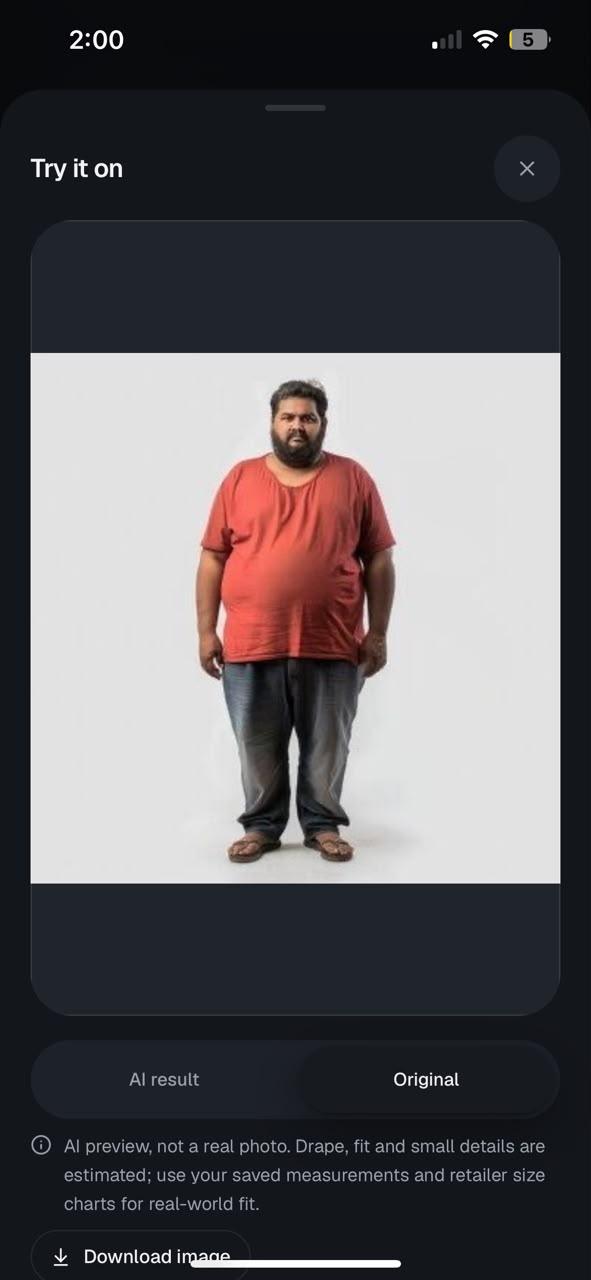
The drawer
Adding clothes had to be painless, or I'd never do it. You drop in up to eight photos at once and walk away. In the background, the app groups photos of the same garment, fixes the rotation, makes a consistent studio shot, and fills in the details: category, colors, season, formality.
Pieces it's confident about are added on their own. Everything else waits in a short review list with a retry. Your original photo is always kept, because a generated image is a nice view, not the truth.
The garments get a layered drop shadow so the cut-outs feel like objects on a table rather than stickers on a screen. It's a small thing. It's also the reason opening the drawer feels good.
A stylist with taste rules
The stylist is an agent with a handful of narrow tools: search the wardrobe, check the weather, read your profile, compose an outfit, suggest a purchase, and ask you a question. Seven short style guides load only when they're needed, covering color, proportion, dress codes, weather, culture, and wardrobe gaps.
I wrote its idea of good taste down as rules it can be checked against:
- Only real pieces, and nothing that's in the laundry.
- One level of formality across the outfit, matched leathers, three colors at most.
- Layers that suit the forecast, which it mentions in one line.
- At most one clarifying question, and only when the answer changes the outfit.
- A short reason and one swap. No essays.
The voice matters as much as the logic. The input says “What are we dressing for?”, not “Enter your query.” It feels like asking a friend with good taste, which was the whole point.
Shopping that earns its place
When you ask what's missing, the stylist doesn't list trends. It looks at your wardrobe, finds the gaps, and ranks each suggestion by how many new outfits it would unlock with clothes you already have.
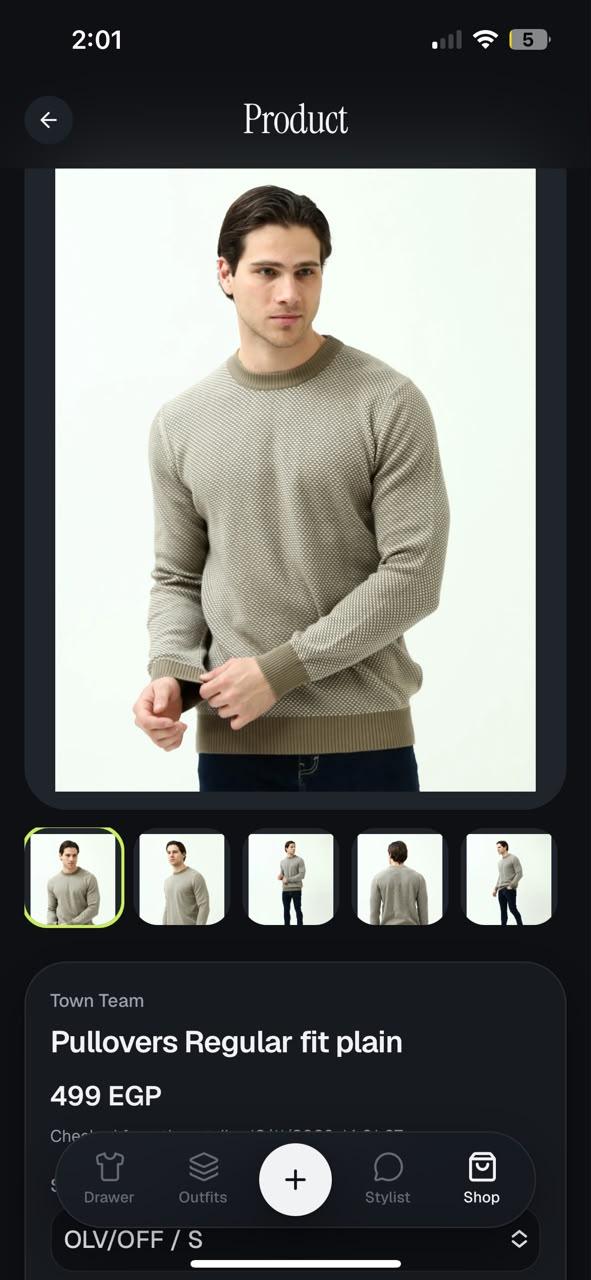
Small, honest engineering
Because it's mine, I could make choices a product team might argue about for weeks:
- It runs with no setup. Clone it, add one API key, and it works locally with seventeen sample pieces. Supabase only joins in when you want sync and login.
- Bring your own plan. Running locally, you can sign in with ChatGPT and the stylist uses your own Plus or Pro plan instead of my key.
- Costs are measured, not guessed. About three cents per photo and two cents per stylist message, with a daily message limit and spending caps before anyone else is invited.
Why it's here
Outfits isn't a business, and I'm not pretending it is. It's where I practise the things I care about without a deadline: an agent that knows its limits, an interface that feels physical, and copy that sounds like a person.
It runs on the same belief as Puffy in PufferPOS: an assistant should work from what's real, here the clothes you own, and say so when it can't.
The code is open on GitHub, and the beta is invite-only while I tune it on my own closet.
Building something like this?
I work with founders and small teams who want one person to own the product, from the first decision to the launch post. Tell me what you’re making.
Write to me